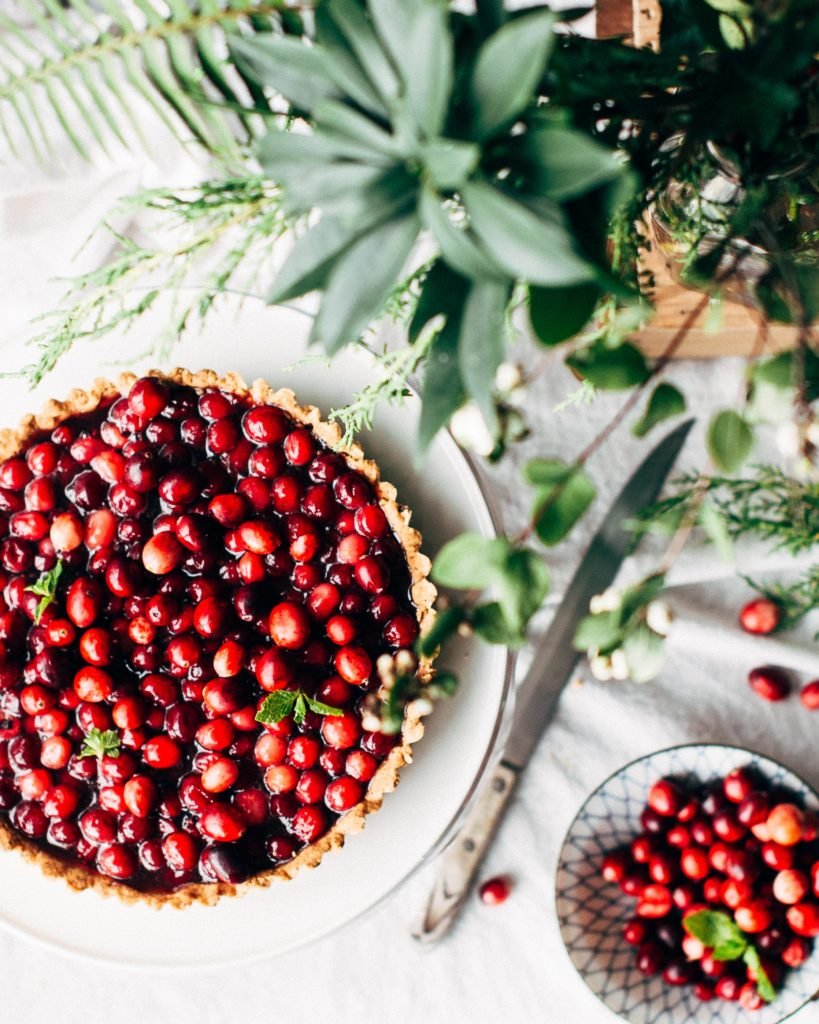
Cherries come in sweet and tart (sour) varieties, and both are rich in colourful antioxidants called anthocyanins, which give the fruit its deep red colour. Tart cherries have been studied the most, especially for inflammation, exercise recovery and sleep, because they contain more of these compounds and a small amount of natural melatonin.
Wellness
Inflammation. The anthocyanins in cherries have anti-inflammatory activity, and small studies have found tart cherry juice can reduce some markers of inflammation and muscle soreness after exercise. Cherries are a helpful part of an anti-inflammatory way of eating, but they are not a replacement for prescribed anti-inflammatory medicines.
Heart health. Animal research from the University of Michigan and small human studies suggest cherries may help lower inflammation and some cholesterol markers. Like most colourful fruit, they fit well into a heart-friendly diet.
Brain. Antioxidants help protect brain cells from oxidative stress. Research into whether cherries specifically help prevent conditions such as Alzheimer’s disease is still at an early stage.
Cell protection. In laboratory studies, cherry anthocyanins have slowed the growth of some cancer cells. This has not been shown in people, so think of cherries as part of a varied, plant-rich diet rather than a cancer treatment.
Sleep. Tart cherries naturally contain melatonin, the hormone that helps regulate the sleep–wake cycle, and some small studies found tart cherry juice modestly improved sleep time and quality.
Beauty
Skin. Antioxidants and vitamin C help protect skin cells from everyday damage and support collagen production.
Beauty sleep. Better sleep shows on your face, and the natural melatonin in tart cherries may help you feel and look more rested.
Learn more about food for beauty in Casstronomy’s Self Care for Women 12-week online program here.
Weight management
A sweet treat with benefits. A cup of fresh cherries is relatively low in kilojoules, provides fibre and satisfies a sweet craving, making them a smart swap for lollies or baked sweets.
Cooking with cherries
- Enjoy them as a snack, or add them to breakfast cereal, smoothies and desserts.
- Make a lighter cherry tart by using wholemeal flour, an unrefined sugar and Greek yoghurt.
- A cherry sauce is delicious with roast duck or chicken.
- For an Asian twist, add lemon juice, Thai basil and ginger to the classic combination of cherries and port.
- Pickle cherries with mirin to enjoy them all year round.
“Sweeten up the love of your life by sharing a beaudelicious bowl of cherries.”
This article is general information about food and wellbeing, not medical advice. Please talk to your GP or a qualified health professional about any health condition, medication or major change to your diet.