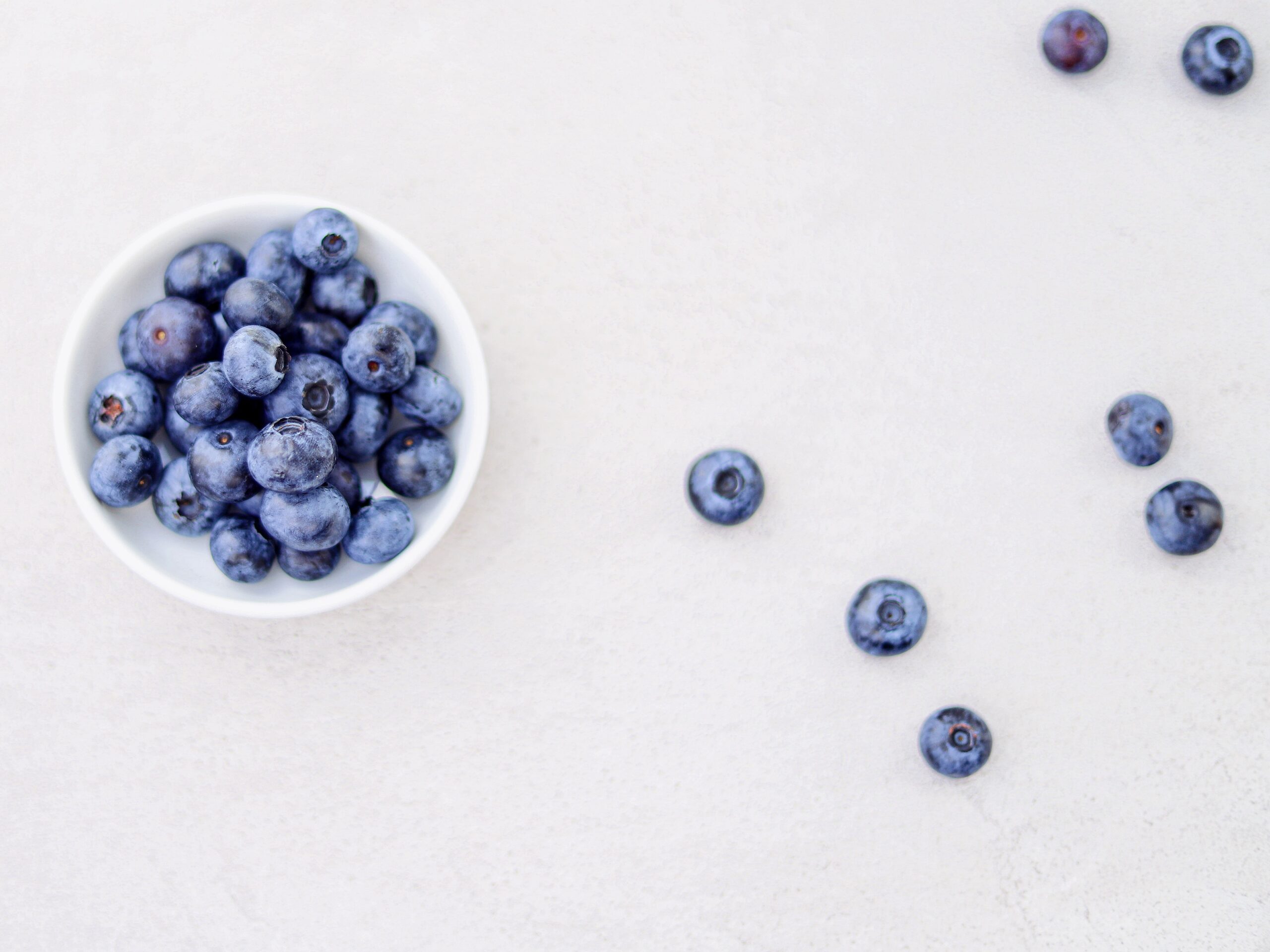
The deep blue colour of blueberries comes from anthocyanins, powerful antioxidant pigments that make blueberries one of the most antioxidant-rich fruits you can buy. Wild blueberries are smaller and contain even more of them, so if you can grow your own or find wild ones, even better. Blueberries also provide vitamin C, vitamin K, manganese, copper and fibre.
Wellness
Mood. Small studies in children and older adults found that a blueberry drink improved mood within a few hours. Blueberries are a lovely addition to a mood-friendly diet, but not a treatment for depression.
Anti-inflammatory. Their antioxidants and other plant compounds help calm inflammation in the body.
Cell protection. Anthocyanins, ellagic acid, pterostilbene and vitamin C help protect cells from damage, and laboratory studies suggest blueberry compounds may slow the growth of some cancer cells. This hasn’t been proven in people, so enjoy them as part of a varied, plant-rich diet.
Heart health. Studies have found that eating about a cup of blueberries a day can help lower blood pressure and improve the flexibility of blood vessels.
Urinary tract. Like cranberries, blueberries contain compounds that may help stop bacteria sticking to the bladder wall. They may help prevention, but they won’t treat an infection, so see your GP if you have UTI symptoms.
Eyes. Lutein, zeaxanthin and anthocyanins help protect the eyes from oxidative damage, which may help slow age-related eye conditions such as macular degeneration.
Brain. Studies in older adults suggest regular blueberries may help memory and thinking, and research into whether they help protect against dementia is ongoing.
Digestion. Their fibre helps relieve constipation and keeps you regular.
Beauty
Anti-ageing. Anthocyanins and vitamin C help protect skin from free-radical damage, and vitamin C supports the collagen that keeps skin firm.
Nails and skin. Massaging a nourishing oil such as blueberry seed oil into nails and cuticles each evening helps keep them soft and healthy. Copper in blueberries also helps the body make collagen and elastin.
Weight management
Low in kilojoules, high in fibre. A cup of blueberries has around 350 kilojoules (84 Calories) and 3.6 grams of fibre, a sweet and filling choice.
Belly fat. In one study, rats fed blueberries as 2 percent of their diet for 90 days had less belly fat. It’s promising, but it hasn’t been shown in people yet.
Plant-rich eating. University of Florida researchers developed a “phytochemical index”, the share of daily kilojoules that comes from plant foods, and found that people with higher scores tended to weigh less. Filling up on colourful plant foods like blueberries is a simple way to raise yours.
Cooking with blueberries
- No need to cook them; they’re fantastic raw.
- When they’re plentiful and in season, freeze them to snack on, or freeze them in ice cubes with other berries to jazz up your water.
- Roast blueberries and toss with wilted spinach, chilli and almonds, then serve with a pan-fried fish fillet and a flaxseed oil dressing.
- Make a blueberry, cinnamon and maple syrup ice cream.
- Make a modern blueberry trifle with ricotta, chia seeds, gluten-free carrot cake sponge and lemon myrtle jelly.
- Whiz them into your favourite smoothie with Kakadu plum powder and coconut kefir.
- For a fantastic berry soup, blend blueberries with watermelon and mint, then top with Greek-style yoghurt and whole berries.
“With all these benefits, you can’t afford not to eat blueberries today, so go on, treat yourself to these tasty morsels and give yourself a fighting chance.”
This article is general information about food and wellbeing, not medical advice. Please talk to your GP or a qualified health professional about any health condition, medication or major change to your diet.